Pregame Catcher Safety Checklist for 2026


Catching in baseball or softball puts your player in the most demanding position on the field. Catchers must wear catcher's helmet (with face mask and throat guard), chest protector, and shin guards. Male catchers must wear a protective supporter and cup at all times. But knowing what gear to wear is only half the battle — ensuring it fits properly, meets safety standards, and stays in game-ready condition makes the difference between adequate protection and optimal safety.
Essential Catcher Safety Equipment
To start, you'll need the four basic pieces of catcher's equipment: a mitt, mask, chest protector and leg guards. This forms your player's core protection system, but additional accessories can enhance both safety and comfort.
Primary Protection Components
Helmet with Face Mask
This youth baseball catcher's gear is made with impact-resistant materials to meet strict safety standards and protect from head injuries. Choose between traditional mask-and-helmet combinations or hockey-style helmets for maximum coverage.
Chest Protector
The largest piece of catcher's equipment is going to be the chest protector, which helps protect the shoulders, neck, chest and stomach. Look for models with shoulder caps and sternum protection.
Leg Guards
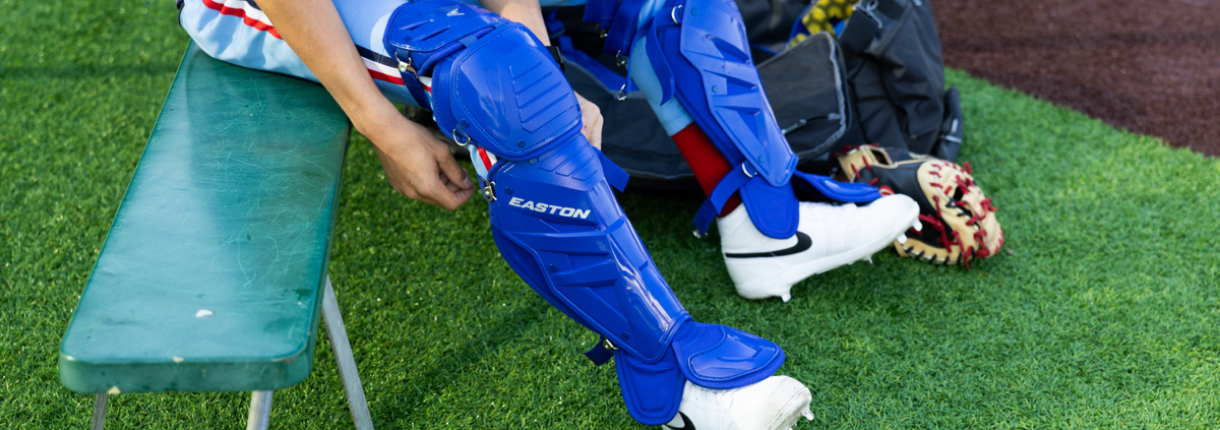
Protecting the ankles, shins and knees, leg guards also provide comfort for a catcher who kneels for long periods of time. They extend from the top of the cleat all the way up above the knee.
Catcher's Mitt
Catcher's mitts differ from fielding gloves in many ways, starting with design. Fielding gloves have separate finger pockets, however catcher's mitts are made to keep your fingers closer together and trade versatility for security.
Additional Safety Accessories
- Throat Guard: Essential for protecting the neck area from foul tips
- Protective Cup: No baseball player should step on a field without wearing a protective cup. The earlier a player gets used to wearing a cup, the easier it will be for him to wear it consistently.
- Knee Savers: Reduce joint strain during extended catching sessions
- Thumb Guards: Protect against hyperextension injuries
All-Star MVP-PRO™ Series Youth NOCSAE Catcher's Set
$499.99
Pre-Game Equipment Inspection Checklist
Prior to the start of any Little League® game, it is the responsibility of the managers and coaches to inspect the condition of the playing equipment to be used by the players participating in the ensuing game. The manager of each team is responsible for ensuring that all equipment, including batting helmets and the equipment to be worn by the catcher, is legal and proper for play according to Little League rules.
Helmet and Mask Inspection
✓ Check NOCSAE certification stamp is visible and legible
✓ Inspect for cracks, dents, or structural damage
✓ Verify all padding is intact and not compressed
✓ Test mask attachment points and straps
✓ Confirm throat guard is securely attached
✓ Check that chin strap functions properly (if equipped)
The batting helmets must be affixed with the NOCSAE symbol, be free of cracks or other visible damage, and all of the internal padding must not be missing, tattered, torn or frayed.
Chest Protector Assessment
✓ Examine all straps and buckles for wear
✓ Check padding integrity throughout
✓ Verify shoulder cap attachments
✓ Look for tears or punctures in outer shell
✓ Test range of motion with protector on
Leg Guard Evaluation
✓ Inspect all buckles and adjustment straps
✓ Check knee cap alignment and padding
✓ Verify ankle protection covers cleat area
✓ Test flex points for proper movement
✓ Examine outer shell for cracks
Mitt Condition Check
✓ Inspect webbing for tears or loose laces
✓ Check pocket depth and shape
✓ Verify thumb protection is adequate
✓ Test closure and catching surface
Proper Fit Guidelines for Maximum Protection
A common mistake people make when purchasing catcher's gear is when parents buy their kids larger gear thinking they'll get more use out of it because they can grow into it. Catcher's gear needs to fit the right way because when gear is too big, it can move around during play and expose certain areas of the body that should be protected.
Helmet Sizing and Fit
Traditional Style: Catchers measure their size for the traditional style using a tape measure above the ears (also known as their 'hat size'). Since the hat size determines the size of the helmet, it is important to know the player's measurement before purchasing a helmet.
Age Guidelines: If you are unable to measure the player's head, a general rule of thumb is that players younger than 12 will usually wear a small while those over 13 will wear an adult size.
Chest Protector Fitting
Adjust the top straps so the protector sits high enough to cover the collarbone without riding up into the chin when crouching. The protector should extend from the collarbone to below the waistline while allowing full arm mobility for throwing.
Leg Guard Sizing
To find the right size, measure from the middle of the knee to the ankle in inches. If your measurement is 13 inches, then you'll likely be a size 13. When fitting leg guards, wear baseball or softball pants to ensure the straps and padding feel game-ready. The ankle plates should rest comfortably on the cleat tongue, providing full coverage without restricting movement.
Safety Certification Standards
Safety First: Ensure all gear meets NOCSAE and SEI certification standards. Helmets, chest protectors, and leg guards must comply with league regulations.
Understanding NOCSAE Requirements
NOCSAE sets safety standards for sports gear, including baseball equipment. If equipment has a NOCSAE certification, it meets tough safety guidelines for players of all ages. NOCSAE has recently added certifications for catchers' chest protectors that address specific injury concerns.
Certification Timeline Updates
Keep in mind, NOCSAE-certified chest protectors are required for NFHS baseball (starting January 1, 2020) and NCAA baseball (starting January 1, 2021). Always verify current requirements with your specific league.
Equipment Replacement After Decertification
If a piece of equipment is deemed unsafe, it must be immediately removed from the dugout. If the equipment can be repaired to comply with the rules prior to the start of the game, it may be permitted for use, provided the equipment is legal and proper for play according to Little League rules.
Seasonal Maintenance and Replacement
Regular inspections, cleaning gear, and dry storage spaces help protect the catcher's equipment so it lasts longer.
Cleaning and Care Schedule
After Each Use:
- Wipe down all surfaces with mild soap solution
- Air dry completely before storage
- Inspect: Check for cracks, loose screws, or worn padding while cleaning
Weekly Deep Clean:
- Remove and wash padding when possible
- Disinfect high-contact areas
- Check all adjustment mechanisms
Monthly Inspection:
- Document any wear patterns
- Test all straps and buckles under load
- Verify certification marks remain visible
Replacement Indicators
Catcher's gear wears down over time, and regular inspection is essential. Replace any pieces that show wear, cracks, or a loss of padding. Players may need to replace gear every 1-2 years depending on usage.
Immediate Replacement Needed:
- Visible cracks in helmet or hard shell components
- Compressed or missing padding
- Non-functioning straps or buckles
- Safety first: Compromised protective gear puts you at risk for injury. When in doubt, replace it.
EvoShield Baseball Catcher's Gear Set
$599.99
Common Safety Mistakes to Avoid
Sizing Errors
A helmet that is too large can cover a batter's eyes and prevent him or her from reacting to an inside pitch. A helmet that is too small might not provide proper protection. Catcher's gear that is too large might shift and leave an area of the body exposed. If the gear is too small, it might not cover all the body parts that it should.
Equipment Modifications
Little League warns that altering the helmet in any form, including painting or adding decals (by anyone other than the manufacturer of authorized dealer) may void the helmet warranty and/or NOCSAE certification.
Skipping Regular Inspections
Checking equipment and protective gear for broken or damaged parts can avert baseball injury. Taking a quick look around the baseball field for trash, broken glass, and pot holes before games can too!
Using Shared Equipment Without Inspection
Many leagues provide shared catcher gear, but each player should verify proper fit and condition before use. Poorly fitted equipment can lead to injury, especially if the shield moves at the time when the ball hits.
Emergency Preparedness and First Aid
Arrangements should be made in advance of all games and practices for emergency medical services. Managers, coaches, and umpires should have some training in first-aid. First-Aid Kit should be available at the field.
Essential First Aid Preparation
Field-Ready Kit Should Include:
- Ice packs and instant cold compress
- Adhesive bandages and gauze
- Athletic tape and elastic wraps
- Emergency contact information
- Have a first aid kit handy! Keep a handy sports first aid kit at every game and practice.
Injury Prevention Through Conditioning
Catchers can get knee tendinitis, meniscus tears, and muscle strains from repetitive squatting and high impact plays. Implement stretching routines and strengthen supporting muscle groups.
Communication Protocols
- Establish clear signals between players and coaches
- Train catchers on collision avoidance techniques
- One is by teaching and reinforcing good team communication skills from the start.
Frequently Asked Questions
How often should I replace my child's catcher gear?
Players may need to replace gear every 1-2 years depending on usage. Heavy use during travel ball seasons may require more frequent replacement, while recreational players might extend equipment life with proper care.
Can my catcher use a regular baseball glove instead of a mitt?
No. In addition to standard player gear, catchers need a helmet with face mask or full hockey-style helmet, a chest protector, leg guards sized to cover from mid-thigh to the ankle, a throat guard attached to the mask or helmet, and a catcher's mitt rather than a standard fielding glove.
What's the difference between youth and adult catcher gear sizing?
Youth masks are designed for kids 12 and younger while adult masks are meant for players 13 and up. However, these assessments aren't set in stone and you may even see high school players wearing youth masks, so choose whatever is the most comfortable.
Should I buy a complete set or individual pieces?
If you are purchasing equipment for a brand new catcher, you may want to consider buying a set. If you are particularly inexperienced about buying equipment for a new catcher, this may be the best bet because you won't need to guess as to whether or not you are completing the measurements properly. Once the catcher gets some experience under their belt, you and they will likely have enough experience with the proper fit and the know-how to be confident that you can competently purchase the pieces of equipment separately.
How do I know if equipment meets current safety standards?
Coaches should look for NOCSAE certification marks and check manufacturer information to ensure their equipment is up to date. Always verify with your league's specific requirements as standards evolve.
What accessories are worth investing in for youth catchers?
Lightweight, durable materials with moisture-wicking liners reduce fatigue. Accessories like knee savers and thumb guards enhance comfort. You could also look for accessories like knee savers, throat protectors and catcher's bags to complete your catcher's gear arsenal.
How tight should catcher gear fit?
Equipment should be snug without restricting movement. Catchers equipment should fit firmly and securely without constricting movements. Test mobility by having your catcher perform game-like movements during fitting.
Is it safe to use hand-me-down catcher gear?
Only if it meets current safety standards and shows no signs of damage. Poorly-fitted gear, or protective equipment that's damaged or outdated is inviting trouble. One way you can help prevent baseball injuries is by knowing your league's rules regarding the batting helmet, type of cleats, and catchers equipment.
Protecting your catcher means more than just buying the right gear — it requires ongoing attention to fit, condition, and safety standards. By following this comprehensive checklist, you're ensuring your player has the best protection available while maintaining the mobility needed to excel behind the plate.
Ready to upgrade your catcher's protection? Browse our complete selection of catcher gear featuring top brands like Rawlings, Easton, and All-Star, with options for every age and skill level.