Why Does a Baseball Bat Sting Your Hands?


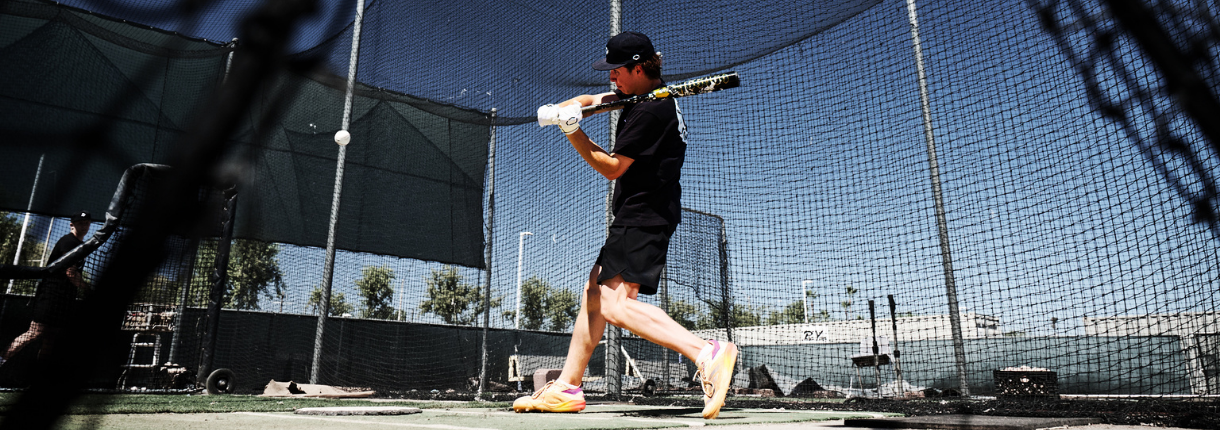
Every player knows that feeling. You swing, make contact, and instead of that satisfying crack — your hands light up like you grabbed a live wire. The bat sting is immediate, sharp, and unforgiving.
So why does a baseball bat sting your hands? The short answer: the impact with the ball causes the bat to vibrate, and the vibrations in the handle can result in a painful sensation in the hands of the player holding the bat, especially in the top hand. The longer answer involves where the ball hit the barrel, how your bat is built, whether you're swinging the right size, and what you can actually do about it.
This guide covers all of it — the physics, the equipment, the fixes, and when to stop swinging and get your hand checked.
Quick Answer
> A baseball bat stings your hands when the ball misses the sweet spot, causing vibrations to travel through the handle. Contact too close to the handle (getting jammed) or too far off the end (cuing it) are the most common culprits. Equipment fixes like batting gloves, grip tape, and a better-sized bat can help — but none of them move the sweet spot. Better barrel contact is still the cleanest fix.
The Real Reason Your Bat Stings: Bat Vibration Explained
The stinging sensation of a bad hit is caused by the vibrations that ripple through the bat after making contact with the baseball. It's not random discomfort. It's physics.
Here's what's actually happening: the bat actually flexes back and forth immediately after hitting the ball. That flex creates vibration waves that travel down the handle and into your hands — and your hands are not immune to them.
The numbers tell the story clearly. Human hands are sensitive to vibration frequencies between 200 Hz and 700 Hz. When a ball impacts a baseball bat, two of the resulting bat vibration frequencies fall within that range. Research by Penn State acoustics professor Daniel Russell found that bat vibrations between 600 and 700 hertz cause the most pain, and that specifically tuned vibration absorbers are the best at combating the sting.
That's not a vague "it doesn't feel good." That's your nervous system responding directly to a specific mechanical frequency. And it's happening whether you're a 10-year-old in rec ball or a college hitter on a composite BBCOR bat.
For impacts away from the sweet spot, the resulting vibration can result in significant pain in one or both hands, and repeated painful impacts have been known to result in prolonged discomfort and even bruising.
Bat Sting Diagnosis: What Is the Bat Telling You?
Not all bat sting feels the same. Where the pain occurs—and when it happens—usually points to a specific issue. Use this chart to identify the most common causes before replacing your bat.
| What the Player Feels | Likely Cause | What to Check First |
|---|---|---|
| Sharp sting near the hands | Contact too close to the handle (getting jammed) | Check whether the hitter is getting jammed and work on making contact farther out front. |
| Weak contact with sting off the end of the bat | Contact too close to the end cap | Evaluate swing timing and determine if the bat may be too long. |
| Sting happens on many swings | Bat may be too heavy, too long, or too stiff-feeling | Confirm the bat's size, weight, and overall fit for the player. |
| Sting feels worse in cold weather | Cold temperatures increase vibration from mishits | Keep hands warm and avoid using composite bats below the manufacturer's recommended temperature. |
| Hands slip or develop blisters | Grip comfort or grip condition issue | Inspect the grip, replace worn tape if needed, and wear properly fitting batting gloves. |
| Pain lingers after hitting | Possible hand, wrist, or finger injury beyond normal bat sting | Stop swinging and have the injury evaluated if pain persists or worsens. |
What Is the Sweet Spot on a Baseball Bat?
The sweet spot isn't just a feel-good phrase coaches throw around. It has a precise definition backed by physics.
The sweet spot is an impact point, or a narrow impact zone, where the shock of the impact, felt by the hands, is reduced to such an extent that the batter is almost unaware of the collision.
More specifically, the sweet spot is not a single magic dot; it is a zone where vibration is lower, energy transfer is better, and mishits are less punishing.
The sweet zone is the region located between the nodes of the first and second modes of vibration (between about 4–7 inches from the barrel end of a 30-inch Little League bat). Since the vibrational motion of the bat is very small in this region, an impact in this region will result in very little vibration of the bat — no stinging of a player's hands — and a very solid hit will result with maximum energy being transferred.
Hit outside that zone — toward the handle or toward the end cap — and the bat vibrates significantly more. If the baseball strikes outside of the sweet spot, a painful stinging sensation is felt in the hands due to bat vibration. In addition, this undesirable vibration reduces the energy delivered to the ball, so it doesn't travel as far.
That's the double penalty of a mishit: it stings and it costs you distance and power.
Why Missing the Sweet Spot Hurts
A bat does not feel the same across the whole barrel. Every baseball or softball player, at some point, has experienced the sharp, stinging sensation that shoots through the hands after hitting a ball. This phenomenon occurs when the ball makes contact with the bat in a manner that causes vibrations to travel down the bat and into the hitter's hands.
That vibration you feel on mishits is actually a loss of energy due to where the contact was made relative to the bat. Because the vibrations from that hit don't "harmonize" in that location on the bat, that gives you the vibrational feedback you get on mishits and obviously produces less impressive hits because there's less energy being transferred.
So when a player shakes their hands after an inside pitch, they're not being soft. They're experiencing a very real biomechanical response to measurable vibration frequencies in a range their hands can't ignore.
Modern baseball talks a lot about bat speed, exit velocity, and barrels. Those numbers matter. But for a hitter dealing with repeated bat sting, the first question is simpler: can the player control the barrel well enough to find the sweet spot consistently?
Common Reasons Your Bat Stings
Bat sting isn't always the same problem wearing the same disguise. Here are the most common causes — and what to actually do about each one.
1. You Got Jammed
Getting jammed means the ball hit too close to the handle. It usually happens on inside pitches, late swings, or when a hitter can't get the barrel in on time. The sting is sharp, it often concentrates in the bottom hand, and the ball tends to roll off weakly.
What helps:
- Work on an inside-pitch approach
- Use tee drills that force the player to feel barrel location
- Practice staying inside the ball and driving it up the middle
Verdict: A jammed swing is usually a contact and timing issue first, not an equipment problem.
2. You Hit It Off the End
End-of-barrel contact stings too — though it often feels more buzzy or hollow than a true jam shot. Maybe the pitcher jammed you and your swing didn't make it through the strike zone in time, or maybe the ball was pitched outside and you made contact with the end of your bat.
This often happens when a hitter is reaching, mistimed, or using a bat that's too long to control.
What helps:
- Check whether the bat is too long
- Work on timing and plate coverage awareness
- Watch where the ball contacts the barrel during tee work
Verdict: Constant end-of-bat contact points to timing, approach, or bat length — not bad luck.
3. The Bat Is Too Heavy
A too-heavy bat doesn't cause sting directly. It makes it harder to find the sweet spot in the first place. When a player can't control the barrel, they drag it through the zone, drop the barrel early, or arrive late — and any of those leads to more jammed contact and more sting.
Signs the bat may be too heavy:
- Late on normal pitches
- Barrel drops before contact
- Swing looks slow or forced
- Player often gets jammed
- Player looks like they're guiding rather than swinging
What helps:
- Recheck bat length, weight, and drop
- Compare to a proper bat size chart
- Try a lighter swing weight if the player can't control the barrel
Verdict: A powerful bat only works if the player can actually square it up.
4. The Bat Is Too Long
More reach sounds good on paper. In practice, a bat that's too long can make barrel control harder, especially for younger players.
Signs the bat may be too long:
- Player hits off the end often
- Barrel is hard to control
- Player reaches across the plate
- Swing looks long or slow
What helps:
- Watch where the ball contacts the barrel
- Try a shorter bat if the player struggles with the current length
- Remember: control beats extra plate coverage every time
Verdict: A bat that's slightly shorter and easier to square up is almost always better than a longer bat the player can't control.
5. The Bat Feels Too Stiff or Harsh
Some bats simply deliver harsher feedback on mishits. One-piece bats provide more feedback and can give you a true sense of where you made contact. While this feedback can translate into more sting on mishits, some experienced hitters prefer this sensation because it offers more control and direct power transfer.
That doesn't mean one-piece bats are bad. Many powerful hitters love the connected feel. But if a player is sensitive to vibration, the construction choice matters.
Verdict: If the player makes decent contact but still hates the feel of the bat, construction is worth comparing.
6. The Grip Is Uncomfortable
Sometimes the bat isn't the whole problem. A worn grip, slippery hands, or an awkward handle feel can make every swing — good or bad — feel less secure. If the player's grip shifts slightly at contact, the bat can feel more jarring even on a decent hit.
What helps:
- Try batting gloves
- Replace a worn grip with fresh bat accessories
- Add grip tape if comfortable and allowed
- Make sure the player is holding the bat in the fingers, not deep in the palms
Verdict: Better grip comfort can help the hitter feel more secure, but it won't fix repeated off-center contact.
7. Cold Weather Makes Mishits Feel Worse
Cold-weather sting is real. Human hands are sensitive to vibration frequencies between 200–700 hertz, and we experience the most pain when those frequencies are between 600–700 hertz — and cold hands are more sensitive to those frequencies.
Beyond hand sensitivity, the fibers within the bat can freeze and become stiff; when the ball hits the bat, there is less flex. In warmer weather, those fibers work to absorb the impact of the bat on the ball. But when those fibers become stiff, they transfer more of that impact into your hands instead.
What helps:
- Keep hands warm between at-bats
- Use batting gloves
- Focus on clean contact — it matters even more in the cold
- Follow manufacturer cold-weather use guidance (especially important for composite bats)
Verdict: Cold weather makes sting feel worse, but the fix is still clean barrel contact first.
What Actually Helps Reduce Bat Sting?

Bat vibration and hand pain can seriously affect your performance and confidence at the plate. When you're anticipating painful feedback, you may subconsciously change your swing mechanics, grip the bat differently, or become hesitant in key at-bat situations. The mental side of bat sting can affect your game just as much as the physical discomfort.
Some solutions address the root cause, while others simply improve comfort. Both have value—they just solve different problems.
| Solution | What It Helps | What It Doesn't Fix |
|---|---|---|
| Sweet-spot contact drills | Improves contact quality and addresses the root cause of most bat sting. | Won't correct a bat that's too heavy, too long, or poorly fitted. |
| Proper bat sizing | Improves barrel control, swing speed, and timing. | Won't automatically fix poor swing mechanics or inconsistent contact. |
| Batting gloves | Improves grip, comfort, warmth, and helps reduce blisters. | Won't eliminate sting caused by repeated mishits. |
| Fresh grip tape or replacement grip | Provides better handle feel and improves overall hand comfort. | Won't fix incorrect bat length, weight, or poor swing timing. |
| Two-piece or composite bat | Can reduce perceived vibration and improve feel on mishits. | Won't solve swing mechanics or league certification issues. |
| Rest or medical evaluation | Helps address lingering pain or possible hand, wrist, or finger injuries. | Won't prevent the normal sting that comes from occasional mishits. |
Key Takeaway
The best long-term fix: Improve contact and consistently hit the sweet spot. Most bat sting comes from off-center contact—not from the bat itself.
The quickest comfort upgrade: Fresh batting gloves or a new grip can noticeably improve hand feel, but replacing your bat should usually be the last solution—not the first.
Batting Gloves and Grip Tape: Helpful, But Not Magic
Batting gloves are one of the easiest comfort fixes to try first. They can help with grip security, blister prevention, warmth in cold weather, and some reduction in the jarring feel of a mishit.
But they can't move the sweet spot. They can't turn a jam shot into a barrel. They're a comfort tool — and a good one — not a cure.
Good reasons to try batting gloves:
- You're getting blisters or losing grip mid-swing
- The handle feels uncomfortable or slippery
- You play in cold weather and your hands feel extra sensitive
- You want a little more cushion between your hands and the handle
Not a good reason to rely on them:
- You keep getting jammed and expect gloves to solve it
Grip tape works along the same lines. A fresh, properly-applied grip can make the handle feel more secure and reduce that jarring sensation on off-center contact — but it addresses comfort, not swing mechanics.
Pro Tip: Check our batting glove size chart before buying. A glove that's too big or too small defeats the purpose — you want a snug, secure fit that doesn't bunch under the fingers.Do Composite, Alloy, One-Piece, or Two-Piece Bats Sting Less?
Bat construction absolutely affects how mishits feel, but it doesn't eliminate bat sting altogether. Different materials and construction methods change how much vibration reaches your hands after off-center contact.
| Bat Type | General Feel on Mishits | Best For |
|---|---|---|
| One-Piece Alloy | Stiffer feel with more direct vibration and immediate feedback. | Power hitters who prefer maximum barrel feedback and energy transfer. |
| Two-Piece Alloy or Hybrid | Less vibration reaches the hands thanks to the connection point. | Players looking for a balance of performance and improved comfort. |
| Full Composite | Typically the smoothest and most forgiving feel on mishits. | Players sensitive to vibration or developing hitters seeking more forgiveness. |
| Wood | Least forgiving with the strongest feedback on mishits. | Advanced hitters, wood-bat leagues, and training focused on barrel accuracy. |
Composite bats generally do the best job of reducing vibration because most premium composite models feature a two-piece construction. Many also have larger sweet spots, making off-center contact feel less severe while helping players maintain confidence at the plate.
The flexible connection between the barrel and handle found on many two-piece bats helps absorb some of the vibration before it reaches the hitter's hands. While every manufacturer uses its own technology, the goal is the same: reduce harsh feedback without sacrificing performance.
One-piece bats maximize stiffness and energy transfer, making them popular with hitters who like immediate feedback and a connected feel. The tradeoff is that mishits often produce noticeably more vibration than comparable two-piece designs.
Hybrid bats provide a middle ground. They pair an alloy barrel with a composite handle connected through a two-piece joint. The alloy barrel offers game-ready performance with no break-in period, while the composite handle helps dampen vibration and reduce sting compared to a traditional one-piece alloy bat.
The Bottom Line
No bat completely eliminates sting. Construction changes how much vibration reaches your hands, but every bat will sting if the ball misses the sweet spot. Better contact is always the biggest factor in reducing bat sting.
Is the Bat Too Heavy, Too Long, or Just Too Unforgiving?
This is where players and parents should slow down before buying anything new. Ask these three questions honestly:
Can the player control the barrel?
If the player is consistently late, drops the barrel, or gets jammed even on average fastballs, the bat may be too heavy or too long to control. Barrel control is the foundation. Everything else is secondary.
Is the player hitting off the end?
Consistent end-of-barrel contact usually means the bat is too long, the hitter is reaching, or their timing is off. A shorter bat they can actually square up will outperform a longer bat they can't.
Does the bat feel harsh even on decent contact?
If the player is making reasonable contact but still hates the feel, the bat's construction — one-piece vs. two-piece, alloy vs. composite — may not match their preference. This is where exploring different bat types makes sense.
The best bat isn't the biggest, hottest, or most expensive model in the rack. It's the bat the player can control, square up, and swing with confidence.
Browse the full selection of baseball bats at BaseballMonkey to compare options by construction, weight, certification, and brand.
Normal Bat Sting vs. Possible Injury
Most bat sting fades in seconds. The player shakes their hands, takes a breath, maybe tosses the bat — and feels fine a moment later. That's normal feedback.
Lingering pain is different.
Stop swinging and get the hand checked if the player experiences:
- Pain that doesn't fade quickly
- Swelling in the hand or fingers
- Bruising without a clear cause
- Numbness or tingling
- Trouble gripping the bat normally
- Pain that gets worse with each swing
College players and adults shaking out their hands after dropping the bat, and young kids who want to quit playing baseball because of the pain they experience when the ball is not hit squarely on the sweet spot — this is a real thing. Don't dismiss it. But don't assume every sting is an injury either.
Normal sting: immediate, sharp, fades in seconds.
Possible injury: lingers, spreads, gets worse, affects function.
If there's any doubt, get it checked.
Should You Buy a New Bat to Fix Sting?
Not automatically. A new bat may genuinely help if the current bat is:
- Too heavy for the player to control
- Too long for their size or level
- Too stiff or harsh-feeling on contact
- Damaged or cracked
- Wrong certification for their league
But buying a new bat should never be the first move after one painful mishit.
Use this order:
- Check contact. Is the player missing the sweet spot consistently?
- Check sizing. Is the bat too heavy or too long?
- Check comfort. Would batting gloves, a fresh grip, or grip tape help?
- Check construction. Would a different bat type feel better?
- Check pain. Is this normal sting, or does the hand need attention?
If the player keeps getting stung because they're missing the sweet spot, a new bat may only hide the problem for a little while. If they're using the wrong size or a bat that feels genuinely too harsh for them, a different bat may absolutely be part of the solution.
Shop the full lineup of baseball bats at BaseballMonkey — from youth USA and USSSA to BBCOR, wood, and slowpitch. Filter by brand, construction, and price to find the right fit.
Final Takeaway: Bat Sting Is Feedback
Bat sting is the bat telling you something. Maybe the ball missed the sweet spot. Maybe the bat is too heavy. Maybe the grip feels wrong. Maybe the construction is too harsh for this particular hitter.
The goal isn't to avoid every uncomfortable swing. Baseball will always have a few hand-shakers. The goal is to understand what the sting is telling you, fix the right problem first, and help the player step back into the box with confidence.
Fix the contact. Check the sizing. Upgrade the comfort. Then, and only then, consider whether a different bat is the right call.
FAQs About Baseball Bat Sting
Why does my baseball bat sting my hands?
The reason bats sting is because the impact with the ball causes the bat to vibrate, and the vibrations in the handle can result in a painful sensation in the hands of the player holding the bat, especially in the top hand. Contact near the handle or near the end cap tends to feel worse than clean contact near the sweet spot.
Does bat sting mean I need a new bat?
Not necessarily. First check contact location, bat size, bat weight, grip comfort, and weather conditions. A new bat makes sense only if the current one is too long, too heavy, too stiff-feeling, damaged, or poorly matched to the player's league. Don't buy a new bat after one bad mishit.
Do batting gloves help with bat sting?
Batting gloves can help with grip, comfort, blisters, warmth, and some shock absorption. Hand sting primarily results from hitting the ball with the wrong part of the bat, often outside the sweet spot. The sweet spot is the area on the bat where the impact feels the smoothest and produces the best results — and no glove can move it.
Do composite bats sting less than alloy bats?
Composite bats generally provide better vibration dampening due to their layered construction and ability to flex upon impact. The carbon fiber materials naturally absorb more shock than metal alloys, making them the preferred choice for players with hand sensitivity. That said, composite bats can still sting on significant mishits.
Are two-piece bats better for bat sting?
The connection piece in a two-piece bat can be fine-tuned to reduce the sting from mishits, making these bats ideal for players who need a more forgiving feel. The reduced vibration is particularly beneficial for younger players or those sensitive to hand sting. However, two-piece bats don't eliminate sting or fix poor contact habits.
Is bat sting worse in cold weather?
Yes. Human hands are sensitive to vibration frequencies between 200 Hz and 700 Hz. When a ball impacts a baseball bat, two of the resulting bat vibration frequencies fall within that range — and cold hands feel those frequencies more acutely. Batting gloves and keeping hands warm between at-bats can help, but clean contact still matters most.
Can grip tape stop bat sting?
Grip tape can improve handle feel and grip security, which may make the bat feel more comfortable and reduce jarring on contact. It will not fix a swing that keeps missing the sweet spot. Think of it as comfort support, not a mechanical fix.
When should I worry about hand pain after hitting?
Normal bat sting fades quickly — seconds, not minutes. Stop swinging and get the hand checked if pain lingers, if the hand swells or bruises, if fingers go numb or tingly, or if the player can't grip the bat normally. Repeated painful impacts have been known to result in prolonged discomfort and even bruising. When in doubt, get it checked by a medical professional.
Find batting gloves, grip tape, and a full selection of baseball bats at BaseballMonkey.com — your source for expert gear at every level.